


With neo-banks shaking up finance, you're seeing a fundamental shift in how people manage money. You might not realise it yet, but traditional banks are facing an existential threat. You’re witnessing a global transformation in financial services, and it's happening fast. These new digital platforms offer convenience and features that are genuinely changing the game for good.
Key Takeaways:
Are traditional banks really on their way out? It sure looks that way, with neo-banks shaking up the whole financial scene. Neo-banks are totally redefining customer expectations, aren't they? They're offering a super slick, all-digital experience that's miles ahead of what most people get from their old-school banks. Think about it - instant account setup, real-time notifications, and everything right there on your phone. It's just so much more convenient. And let's talk about those outdated fee structures at big banks. They're a huge turn-off, right? Neo-banks often come with transparent, low-cost or even zero-fee models, which is a massive draw for customers fed up with hidden charges and maintenance fees. Who wants to pay for stuff they can get for free elsewhere? What about personalisation? That's a big deal. Neo-banks are really good at using data to offer tailored financial advice and products. They're not just selling you generic stuff; they're actually trying to understand your spending habits and help you manage your money better. It feels like they're actually on your side. Traditional banks are struggling with old tech, and it's holding them back. Their legacy systems are just too clunky and expensive to update quickly. This makes it really hard for them to compete with the agile, cloud-native infrastructure on which neo-banks are built. It's like trying to race a horse and buggy against a Tesla. The regulatory environment is actually playing a part in this, too. Regulators are becoming more open to digital-first financial services, which creates a more welcoming space for neo-banks to innovate and grow. It's not just the wild west anymore; there's a framework, and these new players are thriving within it. So, where does this leave the big banks? They're being pushed to adapt or risk becoming obsolete. They're either going to have to seriously up their digital game, acquire some of these newer players, or find niche areas where they can still add value. It's a wake-up call, for sure. Ultimately, the shift isn't just about technology; it's about a fundamental change in how people want to interact with their money. And neo-banks are clearly winning that battle.

Why old-school banks are honestly falling behind
You've probably noticed it - the way traditional banks feel a little...stuck in the past, right? For a deeper probe into this phenomenon, you should check out The rise of Neobanks | World Finance. They just haven't kept up with what people like us really need today. Old institutions are really struggling to adapt, weighed down by their legacy systems and bureaucratic processes. This inertia makes them slow to innovate, leaving customers frustrated with outdated services and limited flexibility.
Those sneaky hidden fees that drive us all crazy
You know the feeling - you're just trying to manage your money, and then *bam*, another unexpected fee pops up. It's like they're actively trying to trick you, isn't it? These charges often feel deliberately obscured, making it impossible to truly understand your account costs. It's infuriating when you discover charges for things you thought were standard, like checking your balance or making a simple transfer. This constant nickel-and-diming erodes trust, making you question if your bank genuinely has your best interests at heart.
Waiting days for a simple transfer isn't okay anymore
Honestly, in this day and age, waiting two to three business days for money to move from one account to another is just ridiculous. We live in a world where information travels at light speed, so why should our money be stuck in slow motion? Think about it: you need to pay a bill or a friend, right now, and the bank tells you to wait. This delay can cause real problems, from late fees to missed opportunities. It's a completely outdated system that just doesn't work for modern life. Your money shouldn't be held hostage by archaic banking protocols. When you need funds to be accessible instantly, waiting even a day can be a significant inconvenience, proving how disconnected traditional banking is from our fast-paced lives.
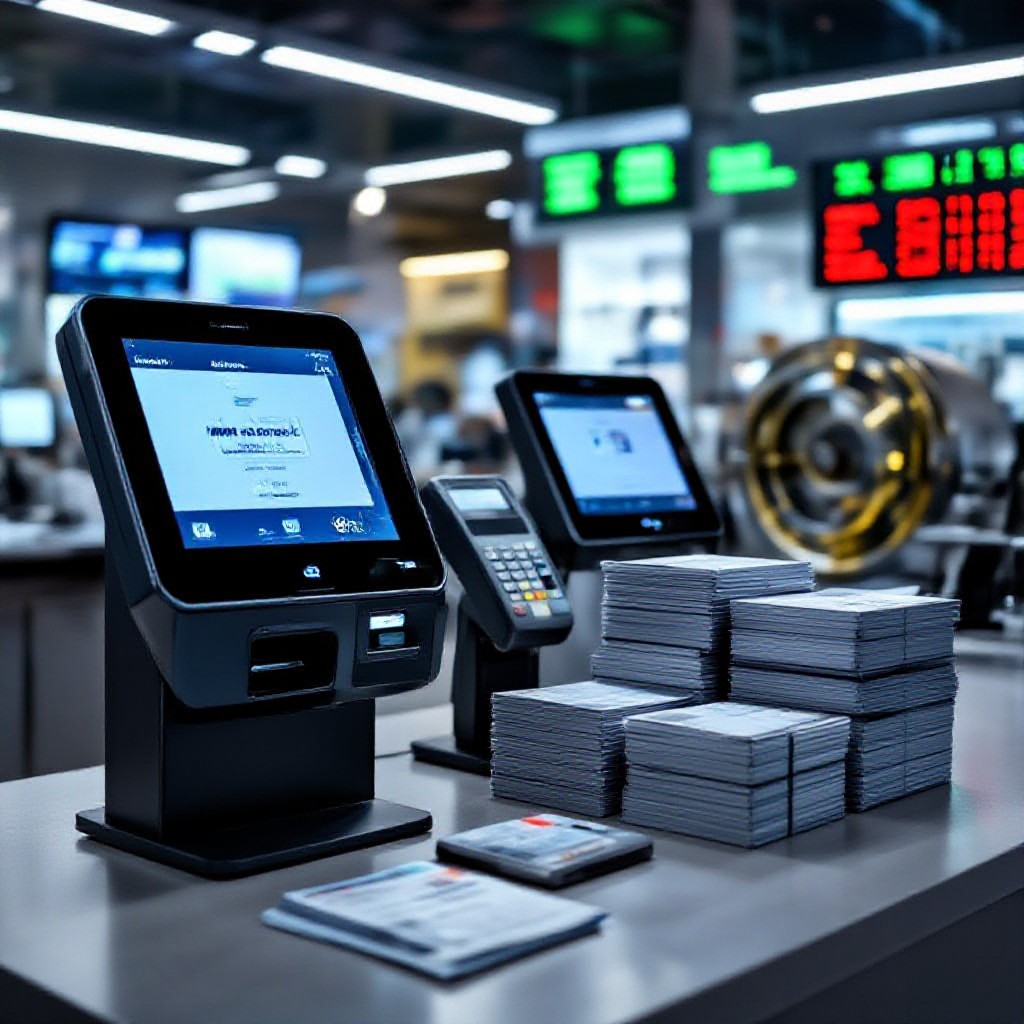
What's the real deal with these neo-banks anyway?
You're probably wondering what makes these digital disruptors so different from your grandma's bank. Imagine banking without ever setting foot into a branch, where everything from opening an account to applying for a loan happens right on your phone. It's a fundamental shift, focusing on digital-first experiences and user convenience above all else. These new players aren't just slapping an app on old banking systems; they're building from the ground up, often without the legacy tech headaches traditional banks face. You can explore more about how this impacts both sides of the coin by checking out this article on Neo-Banking and Traditional Banks.
👉👉Also Read: Is Plastic Dead? Why Gen Z is ditching Credit Cards...👈👈
It's all about that everything-in-one-app life
Think about how many apps you currently use for your finances - one for checking, another for savings, maybe a third for investments. Neo-banks consolidate all of that, giving you a single, unified dashboard for your entire financial world. It's incredibly convenient, isn't it? You get to manage your money, track spending, set budgets, and even invest, all within one sleek interface. This seamless integration means you're spending less time hopping between apps and more time actually living your life.
Finally, some transparency that actually makes sense
Ever tried to decipher a traditional bank statement? It can feel like you need a finance degree just to understand the fees. Neo-banks, however, pride themselves on crystal-clear fee structures and real-time transaction updates. You'll know exactly where your money is going, without any nasty surprises. They make understanding your finances genuinely easy. You'll see instant notifications for every transaction and often get a breakdown of your spending categories, helping you make smarter financial decisions. It's like having a personal financial assistant in your pocket, always keeping you informed. You won't find yourself scratching your head trying to figure out what that mysterious "service charge" was for; everything is laid out plainly, often with explanations, right there in the app.

The cool tech stuff that's actually changing the game
Imagine trying to manage your money with a flip phone - that’s kind of what traditional banks feel like sometimes, right? Neo-banks, though, they’re bringing you the smartphone equivalent, packed with features that genuinely make your financial life easier and often, a lot more fun. You’re not just getting a bank account; you’re getting a whole financial ecosystem designed with *you* in mind. You're seeing a shift from clunky, outdated systems to sleek, intuitive platforms. These aren't just minor upgrades; they're fundamentally rethinking how you interact with your money, making it accessible and understandable, not some mysterious process hidden behind bank teller windows. It’s all about putting control directly in your hands.
Budgeting tools that don't make your head hurt
Remember trying to track every single penny in a spreadsheet? Ugh, what a nightmare. Neo-banks often come with built-in budgeting tools that are actually, dare I say, *enjoyable* to use. They categorise your spending automatically, showing you exactly where your money goes without you lifting a finger. You can set spending limits for different categories - like "eating out" or "online shopping" - and the app will give you a gentle nudge if you're getting close. It’s like having a really smart financial assistant that helps you stay on track, but without the awkward conversations.
Getting an alert the second you spend a dime
Ever wonder if that card transaction went through, or if you were double-charged somewhere? With neo-banks, you’ll know instantly. The moment you use your card, your phone buzzes with a notification, telling you exactly what you spent and where. You're getting real-time transparency into your spending, which can be incredibly empowering. No more waiting days for transactions to clear or wondering about mysterious charges. You're always in the loop, always aware of your financial movements. This immediate feedback loop is a game-changer for spotting fraudulent activity right away. If you get an alert for a purchase you didn't make, you can lock your card instantly through the app - often with just a tap - before any more damage is done. This proactive security is a huge advantage over traditional banks, where you might only discover an issue days or weeks later when reviewing a statement.
But can we really trust them with our hard-earned cash?
You're probably thinking, "This all sounds great, but what about my money?" It's a fair question, after all, we're talking about your financial security. Traditional banks have been around for centuries, building a reputation for safety, but neo-banks, despite their innovation, are still relatively new players on the scene. Many people worry about the security implications of a bank that exists purely in the digital space. You might wonder if your funds are as protected without a physical branch to visit, or if these newer institutions can withstand the same threats as established giants.
The security features that keep the hackers away
Consider the layers of protection these digital banks employ. They often utilise state-of-the-art encryption for all transactions and data storage, making it incredibly difficult for unauthorised parties to access your information. Think of it like a digital fortress, constantly updated against new threats. Each time you log in, you'll likely encounter multi-factor authentication, requiring more than just a password. This could involve a code sent to your phone or even biometric verification, adding a significant hurdle for anyone trying to compromise your account.
My take on why digital-only doesn't mean unsafe
I used to be sceptical, honestly. The idea of a bank with no physical location felt... risky. But then I looked into how these companies operate, and realised their digital-first approach actually allows them to implement more agile and advanced security measures than some legacy institutions. You're not dealing with outdated systems or fragmented infrastructure. Neo-banks are built from the ground up with modern security protocols baked into their core, often exceeding the standards you find at some older banks. It's a fresh slate, optimised for the digital age. Think about it this way: a traditional bank has to secure its physical branches, ATMs, and digital platforms, each a potential vulnerability. A neo-bank can focus all its security resources on its digital infrastructure, creating a more concentrated and often stronger defence against cyber threats. They don't have the baggage of legacy systems, meaning they can adopt the latest security innovations faster and more completely.
So, what's next for the way we handle money?
You're probably wondering what all this means for your wallet, right? We're on the cusp of a financial revolution, where your banking experience is becoming truly personalised and instant, pushing archaic systems to the brink. It’s not just about flashy apps; it's about a fundamental shift in how money moves and who controls it. This isn't some distant future; it's happening right now, transforming everything from how you save for a rainy day to how you invest for retirement. Prepare for a world where your financial tools anticipate your needs, offering advice and solutions before you even know you need them.
Traditional banks are scrambling to catch up-and failing
Many established institutions are making a frantic dash to modernise, throwing money at new tech and branding efforts. They're trying to bolt on digital solutions to fundamentally outdated infrastructure, which often results in clunky, frustrating user experiences. It's like putting a new engine in a Model T - it might go faster, but it’s still a Model T. Their sheer size and ingrained bureaucracy make agile innovation almost impossible. You see them launching new apps that barely scratch the surface, still tied to legacy systems that can’t deliver the speed or flexibility you expect. This inability to adapt quickly is their Achilles' heel.
Why I think we're just seeing the tip of the iceberg
The innovations we've seen so far, while impressive, are just the initial tremors of a much larger earthquake. Think about how smartphones changed everything - neo-banks are poised to do the same for finance, fundamentally altering how you interact with your money. This is an ongoing evolution, not a one-time event. We're going to see an explosion of specialised financial services, each tailored to specific needs and lifestyles. You'll have options that go way beyond simple checking accounts, offering hyper-personalised financial tools that traditional banks can only dream of. The real game-changer lies in the underlying technology, particularly artificial intelligence and blockchain. Imagine a bank that truly understands your spending habits, not just to sell you more products, but to genuinely help you save, invest, and manage your wealth more effectively. This isn't just about better customer service; it's about redefining financial partnership. The potential for truly intelligent, autonomous financial management is immense, leading to a future where your money works harder for you, almost on its own.
The Death of "Keeping Up with the Joneses": Why "Loud Budgeting" is the Ultimate Financial Flex
Final Words
So, you've seen how neo-banks are shaking things up, offering a customer-centric, tech-first approach that traditional banks often struggle to match. You can't ignore the convenience and personalised experiences these digital challengers provide, can you? They're setting a new standard for what banking should be, forcing everyone to rethink old models. You might be wondering what this all means for the old guard. Traditional banks face a stark choice: adapt or risk becoming relics. A deeper look at the Challenges and Opportunities for Traditional Banks shows just how much they need to innovate their services and customer engagement. You're witnessing a fundamental shift, and it's exciting to see where banking goes from here.

